Intern POV: What I Didn’t Know About the Deschutes River, After My Childhood in Central Oregon
I thought I understood the Deschutes River; this summer I quickly realized how little I actually knew.
By Taylor Wuepper
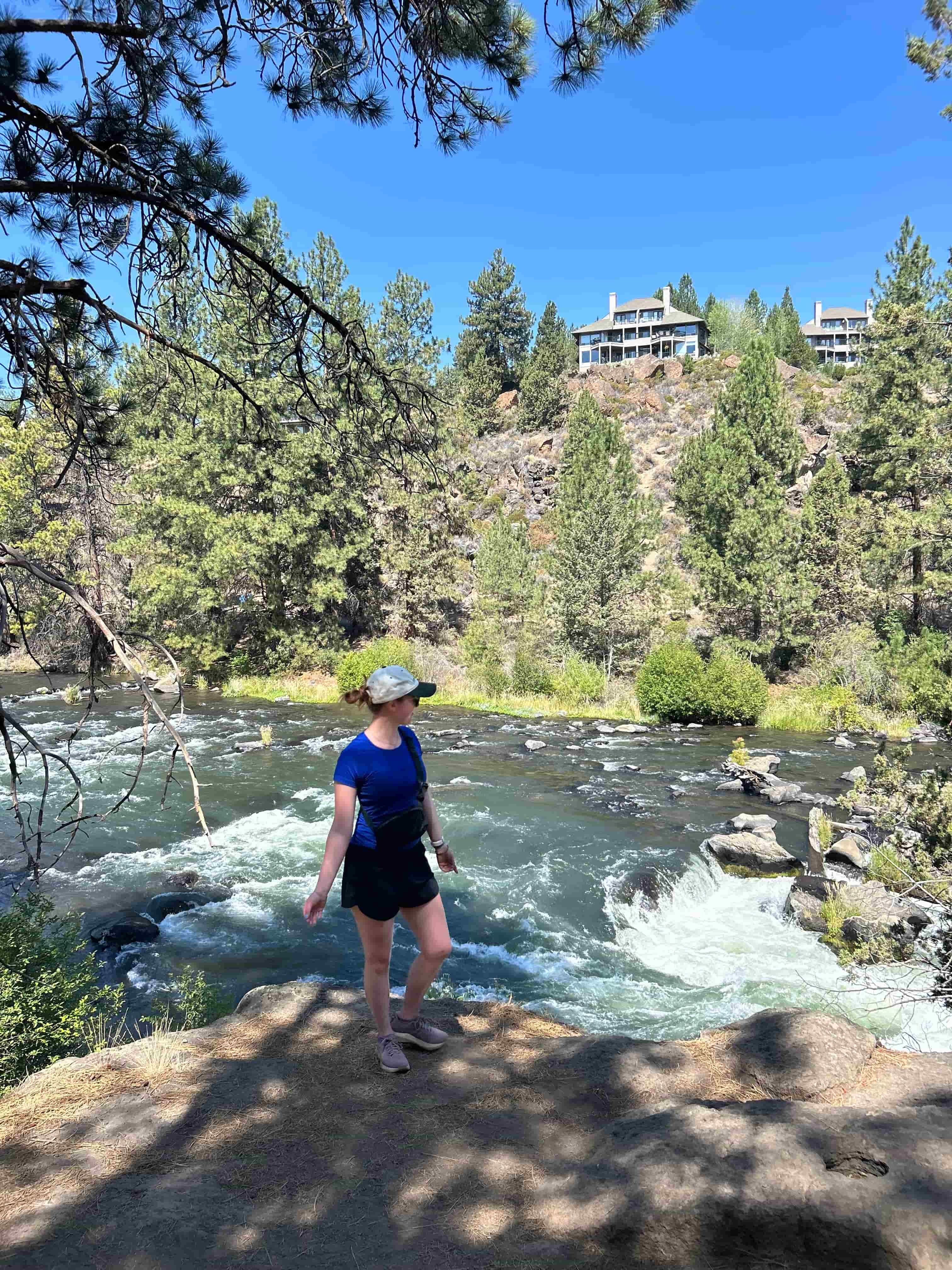
Growing up in Central Oregon, my life has revolved around the outdoors. Like many who live in Bend, the Deschutes River has played a key role in my adventures and memories. Walking my dogs along the river trail, floating the river with friends, and enjoying picnics on a warm summer day have been some of my favorite traditions. I’ve always appreciated the river's beauty and the recreational opportunities it offers, but that appreciation didn't go much deeper, until recently.
During my sophomore year of college, I took a class on environmental policy. It quickly became my favorite class and shaped my future more than I expected. The course focused on the role of salmon in the Puget Sound region and the restoration efforts being made to secure the species' future. This was the first time I seriously thought about what it means to conserve something so strongly tied to a region's culture and livelihood. That shift in perspective stuck with me, and I started noticing the same themes in other places.
Now that I’m about to start my senior year, I’m realizing that the career I see myself working towards has completely changed. In May of 2027, I’ll be graduating with a degree in Communication Studies with a minor in Environmental Studies. Even though these subjects are both passions of mine, I’ve struggled to see how they would translate into a future career. This summer everything became clear. Having spent much of my environmental coursework focused on waterways, restoration work, and sustainable agriculture, I knew I wanted to get some experience in the field.
A few months ago, I began a summer internship in my hometown with the Deschutes River Conservancy. The first few days were filled with meetings full of acronyms and concepts well over my head. It didn't take long for me to realize how steep a learning curve I had ahead of me — and how little I knew about the Deschutes River itself. I've always prided myself on knowing Bend inside and out, but when it came to the lifeblood of my hometown, I didn’t know much more than the average tourist.
Since middle school, almost every science class I've taken has focused more on personal water use. Lectures and activities often emphasized the individual actions we can take to make a difference. Until a few months ago, that’s what I thought water conservation was. Then I began to understand that the scope of water use goes far beyond what any one individual could do. While I could take a shorter shower or choose specific foods over others, my time with DRC has opened my eyes to the many other ways human actions directly impact the river and water supply.
One day, I took a walk around the Old Mill and then went on to Sawyer Park. I was surprised by the drastic difference in water flow between these two places. Before my work at DRC, I could have looked at a spreadsheet with a number labeled "cfs", and it would have meant nothing to me. But after seeing that difference in flow with my own eyes, I've found it much easier to understand what the gap between 1,650 cfs and 130 cfs actually looks like.
I was shocked by how much water goes toward irrigation in CentralOregon. During the summer months, 86% of the water divertedfrom the region's rivers is used for irrigation and 2% for other urban and industrial uses,leaving the once-abundant rivers with only the remaining 12%. Those statistics arestill hard for me to fully process, especially given how ingrained waterconservation has been in my own daily life.
One of my primary projects during my internship was planning a tour called Flows and Farms in a Changing Landscape at Fields Farm. Thinking about how water from the river is used on this farm was a great way to tie together many of my environmental interests. Fields Farm sits in a unique urban location, where water rights and outdated systems can be challenging, yet it has continued to thrive despite the surrounding urban growth. Prior to my work with DRC, I didn't understand how the region’s diversions and canals all worked together. Seeing it up close in a farm setting showed me how complex the whole system really is. It was exciting to see how my passions and interests all came together during this tour.
My time with the Deschutes River Conservancy has provided me with a perspective that will never let me look at a river the same way again. While I'll always appreciate the beauty and charm water adds to a landscape, I now find myself thinking justas much about flow levels, water quality, water use, and sustainability. After experiencing this summer’s historic drought, I’ve realized this change in my own perspective is no longer optional. And more so, that this is a change in perspective that we all need to make if we want to ensure that there is water in the rivers for our future generations to enjoy as well. The water that rivers like the Deschutes provide goes far beyond the recreational opportunities that we get to enjoy. Water is the sense of security that we have for a functioning community and prosperity in the future. Today, my belief is the same as it always has been, just much stronger supported, that we all have a role to play in the future of the water that flows in the river if we want our future generations to be able to enjoy it just how we do.
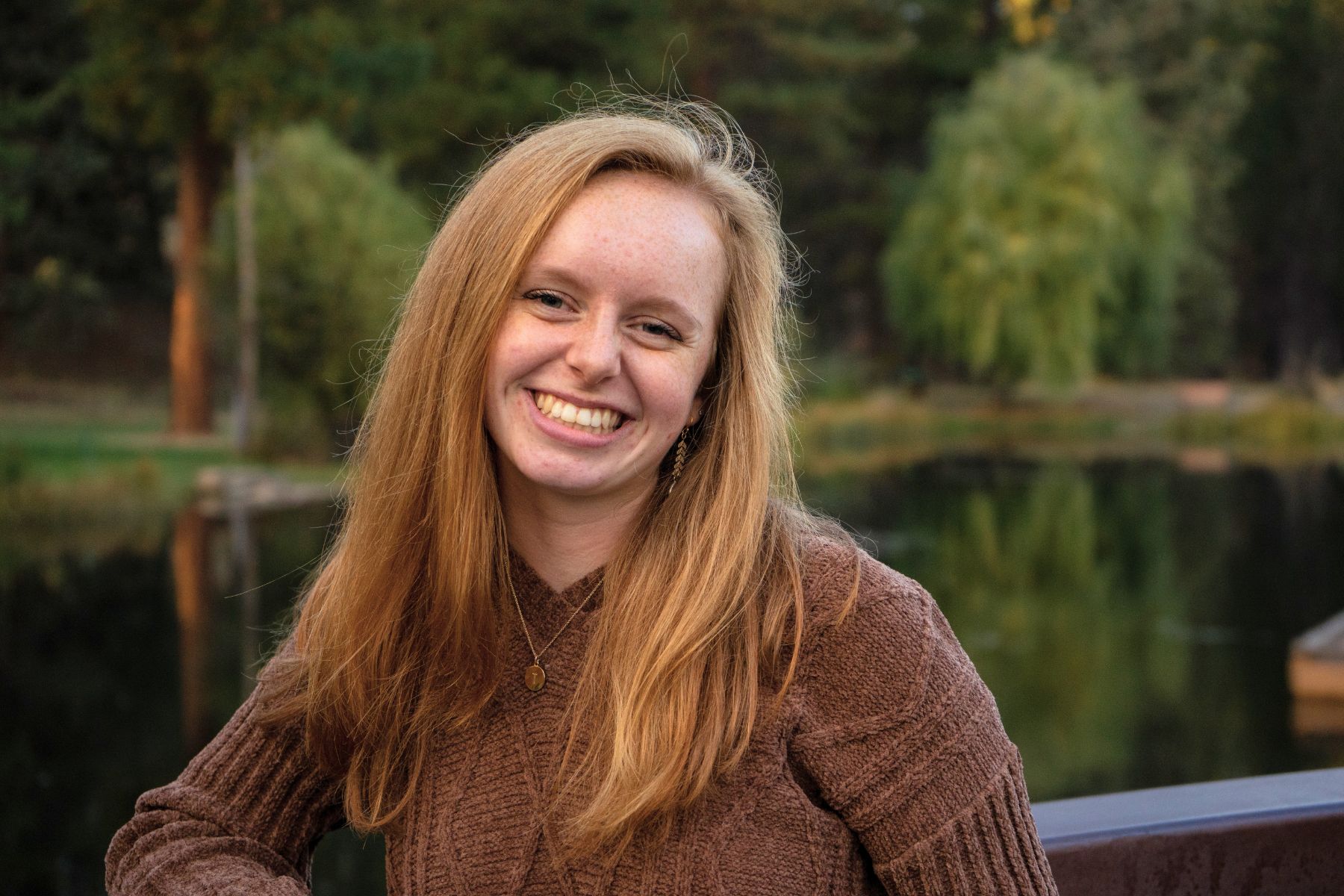
About the author: Taylor Wuepper, a Bend native, spent the summer of 2026 with the Deschutes River Conservancy as Communications and Outreach Intern. She is currently finishing her degree in Communications and Environmental Studies at Gonzaga University.